William Perkin was trying to make a malaria drug, Wilhelm Röntgen was studying electric currents in gas, and Alexander Fleming was working on influenza. Each noticed something odd, and each followed it up. That second step is what turned an accident into an invention.
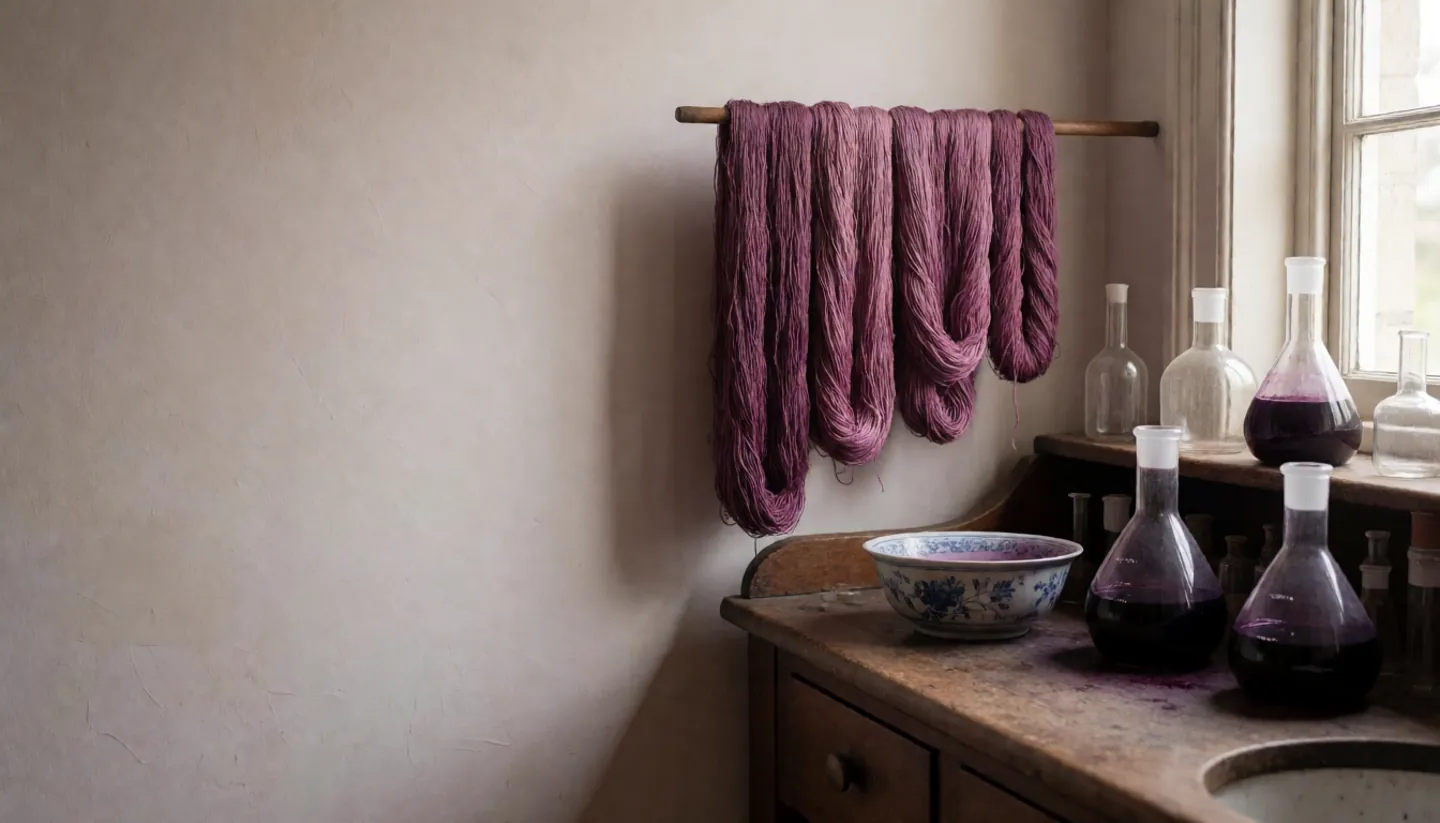
AI-generated image, not a photograph of a real person or place.
Notice the odd result
Test it properly
Write it down
Serendipity needs follow-up
THE SHORT ANSWER
The accident was the start.
Each discovery began with a surprise. Each became important because of the work after it.
MAUVE · 1856
A failed malaria drug
Trying to make synthetic quinine from coal-tar aniline, Perkin got a black precipitate that dyed silk purple. He patented the first synthetic dye that August.
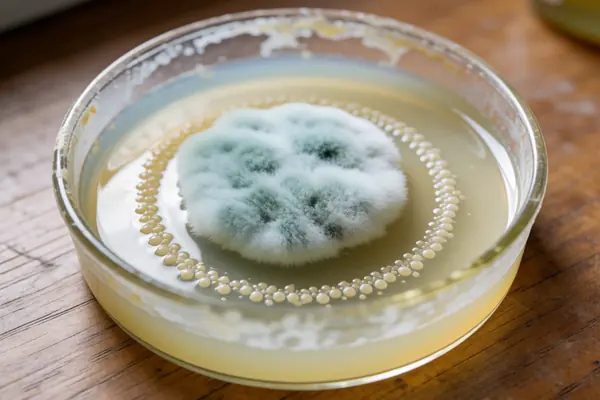
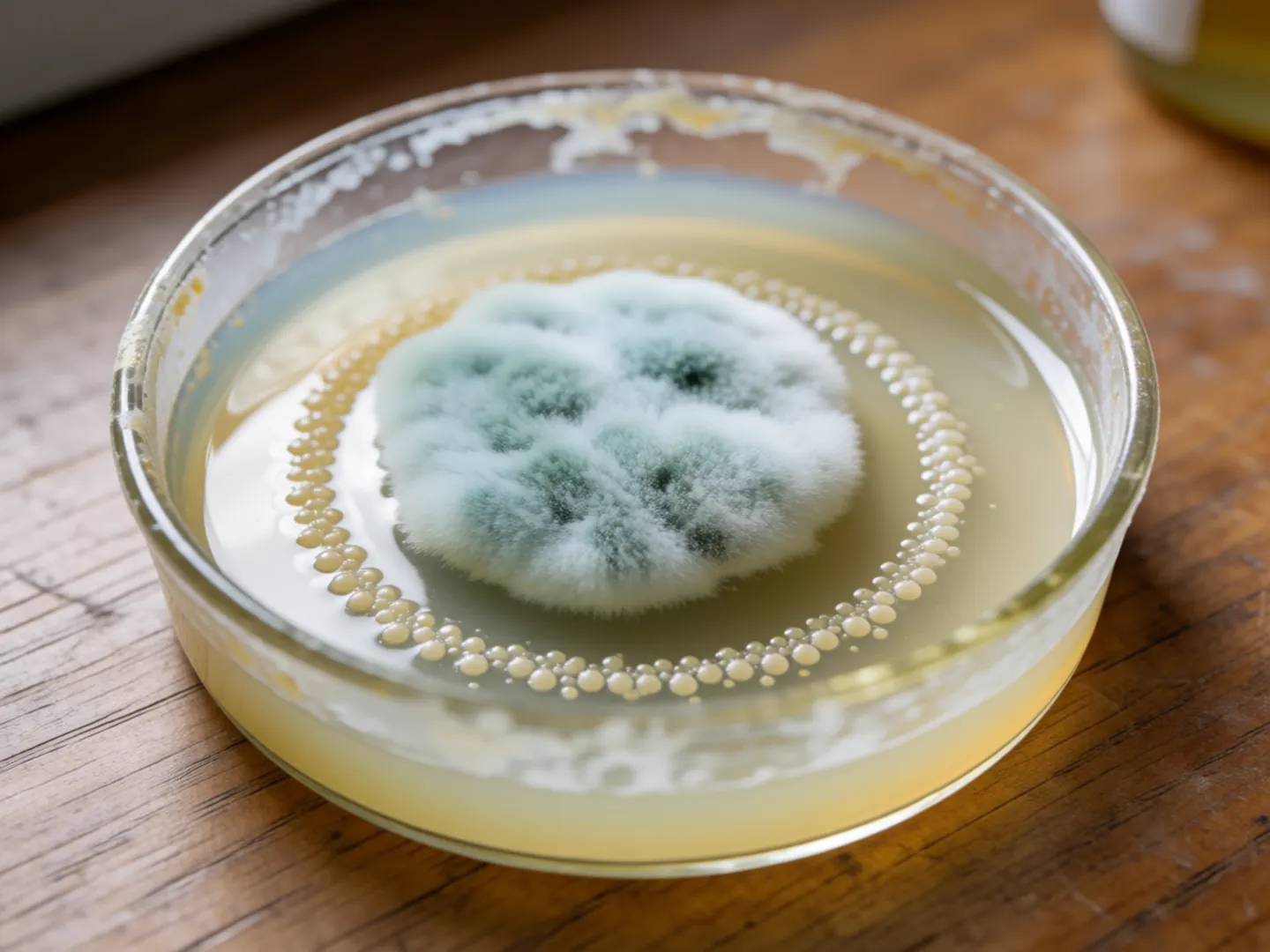
Fleming saw that mould had grown by accident on a staphylococcus plate and made a bacteria-free circle around itself. He tested it and named the substance penicillin.
Pick a discovery to see what its discoverer was really looking for, and when it was honoured. The bar shows how long that recognition took.
Based on Nobel Prize biographies, the Science and Industry Museum and the Science History Institute.
TWO NUMBERS WORTH KNOWING
Young hands, strong mould.
One figure on who made the first synthetic dye, one on how powerful Fleming's mould was.
18
Perkin's age when he made mauve
He was in his second year as research assistant to August Wilhelm von Hofmann and did the experiment in a rudimentary home laboratory over the Easter holidays.
MAUVE · SCIENCE AND INDUSTRY MUSEUM
800×
Dilution at which the mould culture still stopped staphylococci
Inspired by what he saw, Fleming found that the mould culture prevented growth of staphylococci even when diluted 800 times, and named the active substance penicillin.
PENICILLIN · NOBELPRIZE.ORG
Perkin's laboratory notebook, held by the Science and Industry Museum on loan, still shows his purple fingerprints on the pages.
FOUR HABITS THE STORIES SHARE
Making luck count.
None of these discoveries was planned, but each discoverer did the same few things afterwards. The sources show them clearly.
Notice the unexpected
A purple stain, a glowing screen and a clear ring in a culture were all side effects.
Experiment again
Röntgen varied objects in the beam; Fleming diluted his mould culture to test its strength.
Keep records
Perkin wrote his results in a notebook that survives today.
Share or protect it
Perkin patented mauve on 26 August 1856; Fleming published descriptions of penicillin.
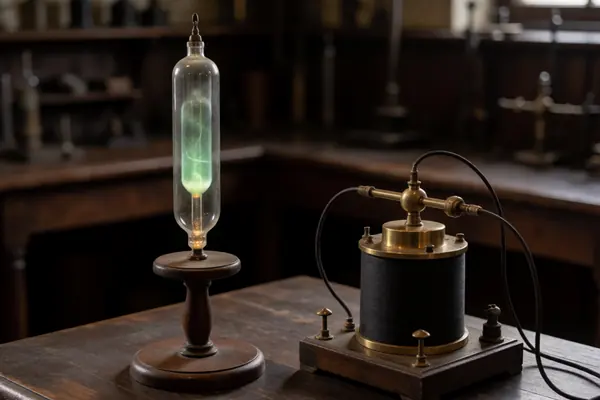
AI-generated image, not a photograph of a real person or place.AI-generated image, not a photograph of a real person or place.
THE FIRST X-RAY
A hand, a ring, a shadow.
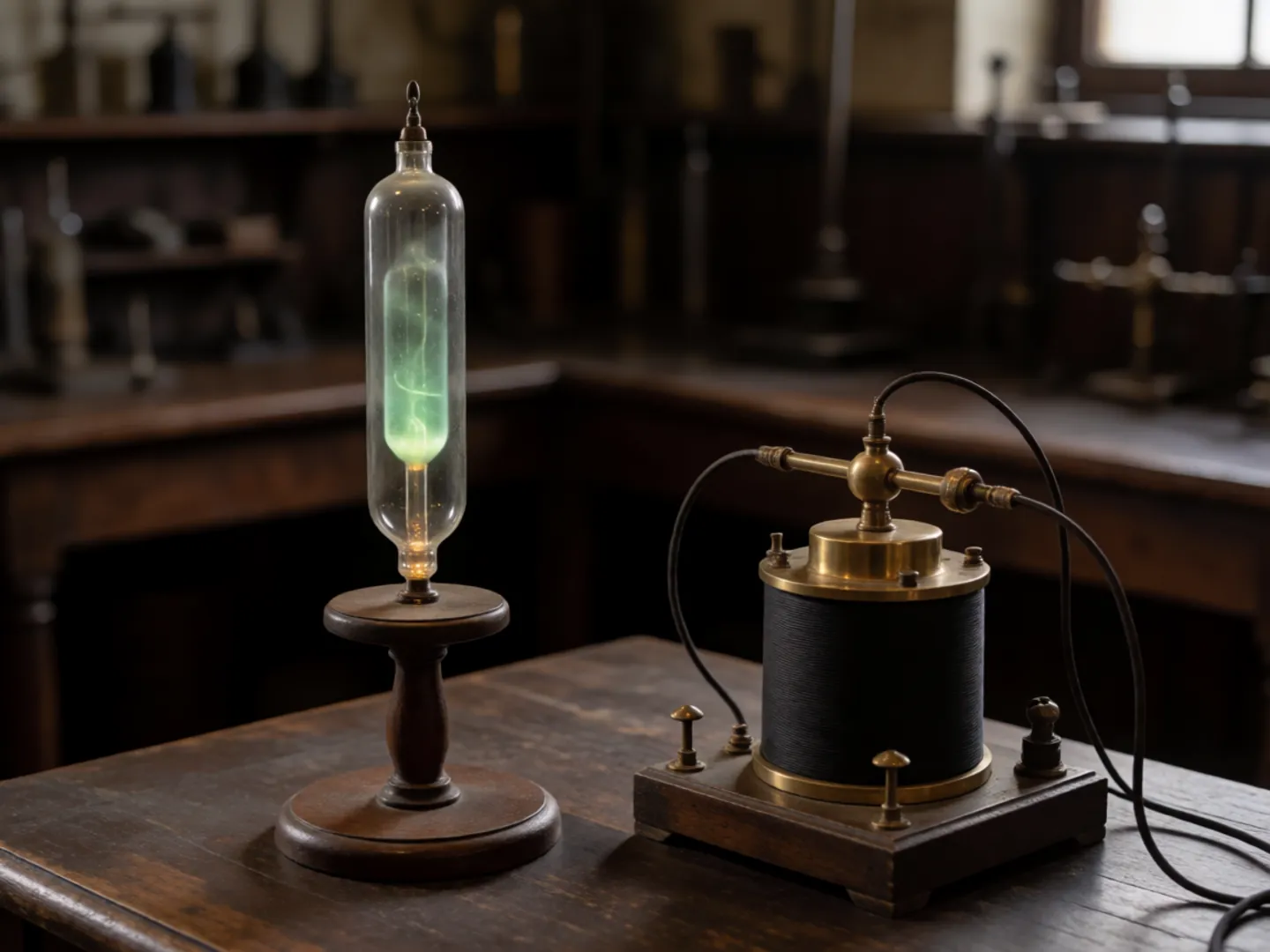
On the evening of 8 November 1895, working in a dark room, Röntgen found that a paper plate coated with barium platinocyanide glowed when placed in the path of rays from a discharge tube sealed in thick black card, even two metres away.
He then found objects of different thicknesses let the rays through to different degrees. Holding his wife's hand over a photographic plate, he recorded the shadows of her bones and of the ring she was wearing: the first röntgenogram.
Questions
Questions people ask
Was mauve really discovered by accident?
Yes. The Science History Institute says Perkin was trying to produce quinine, the antimalarial drug, when he serendipitously synthesised mauve, the first commercialised synthetic dye.
What did mauve lead to?
It changed the dyeing industry and helped establish the modern chemical industry. Coal tar stopped being a waste product, and its derivatives were used in pharmaceuticals and perfumes.
What was Fleming actually working on?
According to his Nobel biography, he was working on influenza virus in 1928 when he noticed mould had developed accidentally on a staphylococcus culture plate.
Did Fleming make penicillin into a medicine alone?
No. The 1945 Nobel Prize in Physiology or Medicine was shared with Ernst Chain and Howard Florey for the discovery of penicillin and its curative effect in various infectious diseases.
Why are they called X-rays?
Röntgen called the new and different kind of rays he had found X-rays. He received the first Nobel Prize in Physics in 1901 for the discovery.